02Jun

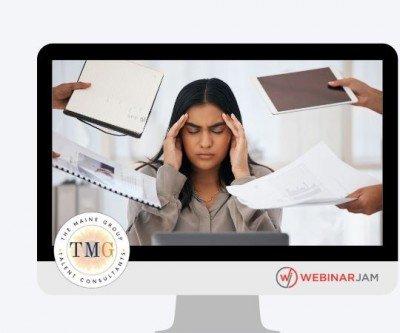
What can we do to improve workplace culture around stress?

The 30th of October to the 3rd of November marks International Stress Awareness Week, with November 1st designated as International Stress Awareness Day. In line with these important awareness events, The Maine Group is dedicated to shedding light on effective strategies for enhancing workplace culture surrounding stress.

Workplace stress is a growing concern, and its impact cannot be underestimated. A recent study conducted by Perkbox revealed that a staggering 79% of British adults in employment commonly experience work-related stress. As this issue continues to affect employees and businesses, addressing and managing stress in the workplace is no longer an option but a necessity.

Join Our Webinar

On the 31st of October, we invite you to our insightful webinar, where Meeta will be joined by Jo Ellen. Together, they will explore vital aspects of stress management in the workplace, including:

  • Identifying the Signs of Workplace Stress: How to recognise stress among your team members.
  • Coping Methods: Strategies for supporting your team in dealing with stress.
  • The Transition from Healthy Stress to Unhealthy Stress: Understanding when stress becomes a problem.
  • Reducing Stigma: How to create open conversations about stress, both at work and at home.

Don’t miss this opportunity to learn how to create a healthier, more supportive work environment. Join us on October 31st at 12pm as we discuss strategies to improve workplace culture around stress. Together, we can make a positive impact and promote stress awareness and management.

Sign up to our webinar here, and while you wait for the webinar, you can download our free guide which details strategies for coping with stress in the workplace.

02Jun

Building Happier and More Effective Teams: A Guide to People Performance

In today’s dynamic business landscape, the key to organisational success lies in the performance and happiness of your teams. From the insights gathered during our recent discussions, here are some strategies to build happier and more effective teams.

1. Focus on Clarity

Clarity within a team is paramount. Every member should understand the team’s mission, purpose, and their individual roles in achieving the objectives. Regularly engage in two-way conversations to ensure everyone is on the same page. This approach not only enhances understanding but also aligns efforts towards common goals, reducing friction and improving overall performance.

2. Enhance Alignment

Alignment is about ensuring all team members and functions are working cohesively towards the same objectives. This can be achieved by having clear and consistent communication about the goals and the steps needed to reach them. Conduct team meetings where each person can share their role and contributions, which fosters mutual respect and a deeper understanding of each other’s work.

3. Foster Positive Behaviour

While team-building activities can be fun, they are just a temporary fix if underlying issues are not addressed. Instead, focus on creating a culture of respect and understanding. Encourage behaviours that support the team’s objectives and address any negative behaviours promptly. Building a culture of feedback where team members can openly discuss their issues and achievements can significantly improve team dynamics.

4. Develop Leadership Skills

Effective leadership is crucial for team performance. Leaders should strive to engage the hearts and minds of their team members. This involves regular reminders of the team’s purpose, providing opportunities for skill development, and empowering team members by gradually giving them more responsibility. Remember, empowerment is about creating the right conditions for team members to succeed.

5. Promote Self-Awareness and Relatedness

Encourage team members to understand themselves and each other better. Tools like personality assessments can provide valuable insights into each team member’s strengths and working styles. Additionally, create opportunities for team members to share personal and professional achievements, which can build stronger relationships and a more cohesive team environment.

By focusing on these areas, organisations can build teams that are not only effective but also happy and engaged. When team members feel seen, heard, and valued, they are more likely to contribute positively, leading to greater success and satisfaction for everyone involved.

A happy team is indeed a productive team. By implementing these strategies, you can create a workplace where everyone feels empowered to perform at their best.

To discuss strategies to help make your teams productive and successful, talk with The Maine Group

02Jun

How to Relax on Holiday: Tips for Employers and Employees to Return Refreshed and Ready to Go

Taking a holiday is essential for both mental and physical well-being. However, it can be challenging for employers and employees to fully relax and disconnect from work. Here are some strategies to ensure that everyone can unwind and return to work refreshed and ready to tackle new challenges.

For Employers:

Plan Ahead:

Ensure that workloads are evenly distributed before employees leave. This will help prevent any last-minute rushes and reduce stress.

Set clear expectations about who will handle specific tasks and responsibilities in the absence of the person on holiday.

Encourage a Culture of Disconnecting:

Promote a culture where it’s okay to disconnect from work completely. Encourage employees to set their out-of-office notifications and refrain from checking emails or work messages.

Supportive Environment:

Be supportive of your employees’ need to take time off. Recognise that holidays are vital for their productivity and mental health.

For Employees:

Prepare Before You Go:

Complete as much work as possible before your holiday. Communicate with your team about ongoing projects and ensure there is a plan in place to cover your responsibilities.

Set an out-of-office message to inform colleagues and clients that you are away and specify when you will return.

Unplug Completely:

Turn off work notifications on your phone and other devices. Use this time to relax and recharge without the constant distraction of work emails or calls.

Engage in Relaxing Activities:

Whether it’s reading a book, exploring new places, or simply enjoying time with family, engage in activities that help you unwind and relax.

Mindfulness and Relaxation Techniques:

Practice mindfulness, meditation, or yoga to help reduce stress and promote relaxation. These techniques can help you stay present and fully enjoy your holiday.

For Both Employers and Employees:

Set Boundaries:

Respect each other’s boundaries. Employers should avoid contacting employees on holiday unless it’s an emergency, and employees should not feel obligated to respond to work-related queries while on leave.

Debrief After the Holiday:

Upon returning, have a debriefing session. Discuss what went well and what could be improved in terms of handling workloads during holidays.

Promote Work-Life Balance:

Foster a work environment that values work-life balance. This can help employees feel more comfortable taking time off and truly relaxing.

At The Maine Group, we understand the importance of taking time off to recharge and the positive impact it has on productivity and overall well-being. Our consultancy services can help your organisation develop strategies to manage workloads effectively, promote a healthy work-life balance, and ensure your team returns to work feeling rejuvenated and ready to excel.

Contact The Maine Group today to learn how we can support your business in creating a positive and productive workplace environment.

Or catch up with our webinar where Meeta is joined by Jo Ellen to discuss strategies for harmonious teams whilst people take holiday. Watch it here!

Happy holidays and remember, relaxation are the key to renewed energy and creativity!

02Jun

How to Create an LGBTQIA+ Friendly Recruitment Process

At The Maine Group, we believe that fostering an inclusive workplace starts with the recruitment process. As we celebrate Pride Month, it’s essential to highlight the importance of LGBTQIA+ friendly recruitment practices.

Here’s how you can ensure your hiring process is inclusive and welcoming:

1. Use Inclusive Language

Ensure that your job descriptions and application forms use gender-neutral language. Avoid phrases that might inadvertently exclude non-binary or transgender individuals. Instead of using “he/she,” opt for “they” or simply address the candidate directly.

2. Promote Your Commitment

Clearly state your commitment to diversity and inclusion in your job postings and on your company website. Highlight any existing policies that support LGBTQIA+ employees, such as non-discrimination policies, diversity training, and employee resource groups. This transparency reassures potential candidates that your company values inclusivity.

3. Train Your Hiring Team

Provide training for all employees involved in the hiring process to raise awareness about unconscious biases and the importance of LGBTQIA+ inclusion. This will help ensure that all candidates are treated fairly and respectfully, creating a more welcoming environment from the very first interaction.

4. Create a Safe Interview Environment

During interviews, avoid making assumptions about a candidate’s personal life or identity. Use the name and pronouns the candidate prefers and encourage open and respectful dialogue. This approach helps candidates feel valued and respected, which can positively influence their perception of your company.

5. Offer Benefits that Support LGBTQIA+ Employees

Make sure your benefits package includes comprehensive health coverage for LGBTQIA+ employees, such as transgender-inclusive healthcare and mental health support. Additionally, offer policies that support diverse family structures. These benefits demonstrate a genuine commitment to the well-being of all employees.

6. Showcase Your Diversity

Highlight the diversity within your current team and share stories of LGBTQIA+ employees on your website and social media. This demonstrates that your company values and supports diversity, making it more attractive to potential candidates who prioritize an inclusive work environment.

7. Seek Feedback and Improve

Regularly seek feedback from LGBTQIA+ employees about their experiences with your recruitment process and workplace environment. Use this feedback to make continuous improvements and show your commitment to creating an inclusive workplace. This ongoing dialogue ensures that your practices evolve to meet the needs of your employees.

By integrating these practices, you can create a recruitment process that not only attracts top talent but also fosters a diverse and inclusive workplace where everyone can thrive. Celebrating Pride Month is more than a gesture; it’s a commitment to ongoing support and inclusivity.

Happy Pride Month from all of us at The Maine Group!

At The Maine Group, we are dedicated to helping businesses build inclusive and supportive work environments. If you need assistance in developing LGBTQIA+ friendly recruitment practices, contact us today to learn how we can support your diversity and inclusion efforts.

02Jun

Investing in Training: A Smart Strategy for Employee Retention

In today’s competitive job market, organisations face an ongoing challenge: how to retain their most valuable talent while maintaining a productive and engaged workforce. At The Maine Group, we’ve observed a clear pattern—companies that invest in employee development consistently outperform those that don’t. Let’s explore why training isn’t just a nice-to-have, but a crucial strategy for business success.

The Business Case for Training

Research shows organisations that prioritise employee development are 46% more likely to outperform their competitors. This striking statistic isn’t surprising when you consider the ripple effects of a well-trained workforce. Beyond the immediate skill improvements, training programmes foster loyalty, boost morale, and create a more adaptable organisation.

Building a Culture of Continuous Learning

Creating an environment where learning is valued and encouraged doesn’t happen by accident. It requires:

  • Clear development pathways for each role
  • Regular skills assessments and feedback
  • Access to diverse learning opportunities
  • Recognition of achievement and progress
  • Support from leadership at all levels

When employees see that their organisation is genuinely committed to their growth, they’re significantly more likely to stay. In fact, studies indicate that 94% of employees would remain longer with a company that invests in their career development.

The Impact on Recruitment and Employee Retention

A robust training programme becomes a powerful tool in both attracting and retaining talent. Here’s how:

Attraction

  • Demonstrates company commitment to employee growth
  • Offers clear career progression opportunities
  • Shows investment in future skills and technologies
  • Provides a competitive edge in the job market

Retention

  • Creates stronger employee engagement
  • Builds deeper organisational loyalty
  • Reduces skill gaps and frustration
  • Offers clear paths for advancement

Making Training Work for Your Organisation

Effective training programmes need to be strategic and well-planned. Consider these key elements:

Personalisation Matters

Every employee has different learning needs and career aspirations. Modern training approaches should offer flexibility in both content and delivery methods. This might include:

  • Online learning platforms
  • Mentoring programmes
  • Workshop sessions
  • On-the-job training
  • Professional certifications

Measuring Success

To ensure your training investment delivers returns, establish clear metrics for success:

  • Employee satisfaction scores
  • Retention rates
  • Performance improvements
  • Internal promotion rates
  • Skill acquisition benchmarks

Leadership’s Role in Development

For training initiatives to succeed, leadership must actively champion learning within the organisation. This means:

Creating dedicated time and space for development activities Supporting employees through their learning journey Recognising and celebrating achievement Leading by example in pursuing continuous learning Providing regular feedback and encouragement

The Link Between Training and Productivity

Investing in training directly impacts productivity in several ways:

  • Improved Skills: Employees become more efficient and effective in their roles
  • Enhanced Confidence: Better-trained staff take more initiative and solve problems independently
  • Reduced Errors: Proper training leads to fewer mistakes and better quality work
  • Innovation: Skilled employees are more likely to contribute ideas and improvements
  • Team Collaboration: Shared learning experiences strengthen team bonds and communication

Making the Most of Your Training Investment

To maximise the return on your training investment:

  • Align training programmes with business objectives
  • Create individual development plans
  • Regular review and update of training content
  • Gather and act on employee feedback
  • Track and measure outcomes
  • Celebrate learning achievements

The Role of Technology

Modern training programmes can benefit significantly from technology:

  • Virtual learning platforms
  • Mobile learning apps
  • Performance tracking tools
  • Skills assessment software
  • Interactive learning experiences

Looking to the Future

As we move forward, the importance of employee development will only grow. Organisations that prioritise training now are better positioned to:

  • Adapt to market changes
  • Embrace new technologies
  • Retain key talent
  • Maintain competitive advantage
  • Build strong employer brands

Conclusion

Investing in employee training isn’t just about developing skills—it’s about building a resilient, engaged, and high-performing workforce. At The Maine Group, we’ve seen firsthand how organisations that prioritise development create stronger teams and achieve better business outcomes.

Whether you’re looking to enhance your current training programmes or build new ones from scratch, we’re here to help. Our expertise in talent management and development can help you create strategies that work for your organisation and your people.

Contact The Maine Group today to discuss how we can support your employee development initiatives and help you build a stronger, more capable workforce for the future.

02Jun

How Temp-to-Perm Roles Can Transform Your Hiring Strategy

In today’s dynamic business landscape, organisations need hiring strategies that offer both flexibility and sustainability. At The Maine Group, we’ve seen firsthand how temp-to- perm arrangements can create meaningful partnerships between employers and professionals, fostering growth and mutual success.

Understanding Temp-to-Perm: A Partnership Approach

Temp-to-perm positions offer a collaborative pathway to permanent employment, typically spanning three to six months. This approach allows both parties to ensure there’s an authentic match in terms of skills, culture, and long-term aspirations. Whether you’re seeking hourly temps, day rate contractors, interim senior leaders, or fractional C-suite executives, this model can be adapted to suit various professional levels and organisational needs.

Benefits for Your Organisation

Building Strong Foundations

The temp-to-perm journey provides a unique opportunity to develop strong, lasting professional relationships. During this period, professionals can fully understand your organisation’s values, workflows, and objectives, while demonstrating their expertise and potential for growth. This mutual understanding leads to more successful long-term partnerships and higher retention rates.

Enhanced Team Integration

A structured temp-to-perm approach allows for natural team integration. New professionals can:

  • Build authentic relationships with colleagues
  • Understand team dynamics and working styles
  • Contribute fresh perspectives while learning established processes
  • Develop a sense of belonging within the organisation
  • Demonstrate their leadership potential in a practical setting

Financial Planning and Scalability
This flexible hiring model enables organisations to:

  • Scale teams according to project demands
  • Evaluate return on investment in real time
  • Make informed decisions about permanent workforce expansion
  • Invest in talent development with greater confidence
  • Align staffing strategies with long-term business objectives

Best Practices for Success

Clear Communication and Vision

From the outset, establish open dialogue about potential permanent opportunities. Share your organisation’s vision, values, and growth plans to help professionals understand how they might contribute to long-term success. Regular check-ins and feedback sessions ensure both parties remain aligned throughout the journey.

Comprehensive Onboarding
Treat temporary professionals as valuable team members from day one by:

  • Providing thorough orientation to company culture and processes
  • Offering necessary tools and resources for success
  • Including them in team meetings and discussions
  • Creating opportunities for skill development
  • Facilitating meaningful connections with colleagues

Structured Evaluation Process
Implement a clear framework for assessing mutual fit:

  • Set collaborative goals and milestones
  • Schedule regular performance discussions
  • Gather feedback from team members
  • Discuss professional development opportunities
  • Plan for potential permanent transition early

The Maine Group Difference

At The Maine Group, we specialise in connecting organisations with professionals across various engagement models. Whether you need hourly temps for seasonal demands, day rate contractors for specialised projects, interim senior leaders for strategic initiatives, or fractional C-suite executives for targeted expertise, we understand that each hiring journey is unique.

Our holistic approach focuses on creating meaningful partnerships that benefit both organisations and professionals. We believe in supporting companies to build strong, engaged teams where every member can thrive and contribute to collective success.

Looking Forward

The temp-to-perm model represents more than just a hiring strategy – it’s an opportunity to build strong, sustainable teams while maintaining operational flexibility. By approaching temporary arrangements with permanent potential in mind, organisations can create an environment where professionals feel valued and motivated to contribute their best work.

Ready to transform your hiring strategy? Contact The Maine Group today to discuss how we can support your organisation’s growth through strategic temp-to-perm partnerships. Our experienced consultants are here to guide you through every step of the journey, ensuring you find the right professionals to help drive your business forward.

02Jun

Navigating the Changing Landscape of HR Practices in 2025

As we’ve entered 2025, HR continues to evolve at an unprecedented pace. At The Maine Group, we’re seeing firsthand how these changes are reshaping the way organisations approach talent management and workplace culture. Here’s our practical guide to navigating the key trends that are transforming HR practices—and how your business can adapt to stay ahead.

Embracing AI While Keeping the Human Touch

Artificial intelligence is no longer just a buzzword—it’s becoming an essential tool in modern HR. However, the key is finding the right balance between automation and personal interaction. Consider this as a practical step, to help workflow, leverage AI analytics to identify skills gaps in your organisation, then develop targeted training programmes based on these insights.

Workplace Wellbeing: Beyond the Basics

While mental health support and wellbeing initiatives aren’t new concepts, they’re evolving to become more sophisticated and embedded in company culture. Here’s how to enhance your wellbeing strategy:

  • Implement regular ‘wellbeing check-ins’ separate from performance reviews, where employees can discuss work-life balance and stress management
  • Create clear boundaries around working hours for hybrid teams, including ‘core hours’ for meetings and designated offline periods
  • Train line managers in mental health first aid and emotional intelligence to better support their teams

Making Hybrid Work, Work Better

With hybrid working now firmly established in the UK workplace, organisations need to refine their approach. Consider these practical improvements:

  • Develop clear guidelines about which tasks are better suited to office days (collaborative projects, training sessions) versus remote work (focused individual tasks)
  • Invest in quality video conferencing equipment for meeting rooms to ensure remote participants have equal presence in discussions
  • Create structured opportunities for informal interaction between remote and office-based staff through virtual coffee breaks or hybrid social events

Meaningful Progress in Diversity and Inclusion

Moving beyond surface-level diversity initiatives, organisations need to focus on creating lasting change through a diverse talent attraction strategy. Here are actionable steps:

  • Review your job advertisements and descriptions for unconscious bias, using tools like gender decoders
  • Implement structured interviews with standardised questions to ensure fair candidate assessment
  • Set up reverse mentoring programmes pairing junior staff from underrepresented groups with senior leaders

Building a Culture of Continuous Learning

With skills requirements changing rapidly, learning and development need to be woven into daily work life. Try these approaches:

  • Create ‘skill-sharing sessions’ where employees teach colleagues about their areas of expertise
  • Implement a learning budget that employees can self-direct towards courses and training they find valuable
  • Develop micro-learning modules that can be completed in 15-20 minutes during natural work breaks

Data-Driven HR: Making Numbers Work for You

While data analytics in HR can seem daunting, start with these practical applications:

  • Track employee retention patterns to identify common exit points and implement preventive measures
  • Monitor engagement metrics across different work arrangements to optimise your hybrid working policy
  • Use recruitment data to identify your most successful hiring channels and focus resources accordingly

Looking Ahead

As we progress through 2024, these trends will continue to evolve. The key to success lies not in trying to implement everything at once, but in choosing the initiatives that align best with your organisation’s goals and culture.

Remember, effective HR isn’t about following trends blindly—it’s about understanding your people’s needs and implementing changes that make a real difference to their working lives.

Need support in implementing any of these changes in your organisation? The Maine Group’s experienced consultants are here to help guide you through these transitions. Get in touch to discuss how we can support your HR evolution.